The Demographic Shift in Full-Size Truck Buyers
Understanding the New Truck Buyer Profile
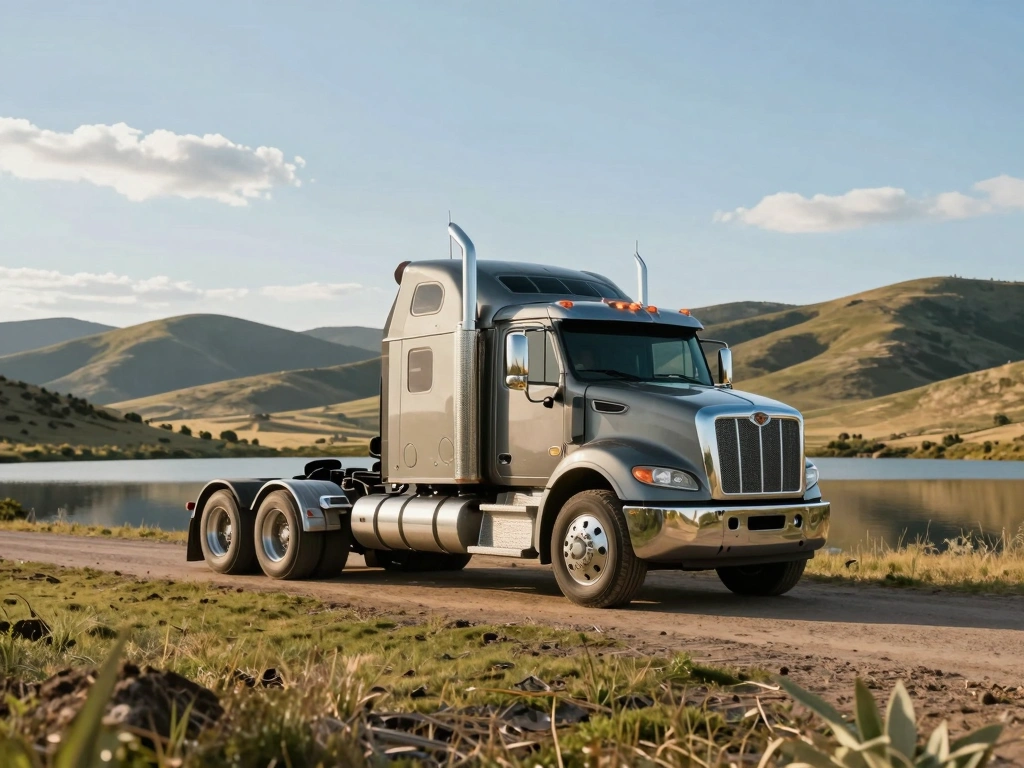
In recent years, the demographic profile of full-size truck buyers has undergone a significant transformation. Traditionally associated with ruggedness and utility, full-size trucks are now increasingly appealing to a broader range of consumers. This includes families, urban dwellers, and individuals who prioritize comfort and technology over sheer towing capacity.
According to data from the U.S. Department of Transportation, the average age of truck buyers has shifted to younger demographics, with millennials and Gen Z now making up a substantial portion of the market. These buyers often have different priorities than their predecessors, focusing more on features like interior comfort, tech integration, and fuel efficiency rather than towing capabilities.
Impact of Lifestyle Changes on Towing Needs
As lifestyles evolve, so do the needs of consumers. Many full-size truck buyers today are less likely to engage in activities that require towing, such as boating or hauling heavy trailers, which were once considered standard uses for these vehicles. Instead, weekend getaways frequently involve camping, road trips, or outdoor activities that can be accomplished without the need for a trailer.
For instance, a survey conducted by J.D. Power revealed that only 27% of truck owners regularly tow anything, with the majority using their trucks primarily for daily commuting and leisure activities. This reflects a shift in priorities, where the versatility and comfort of a truck are valued over towing capabilities.
Urbanization and Its Effect on Vehicle Usage
Urbanization is another critical factor influencing why full-size truck buyers tow less than one might expect. As more people move to urban and suburban areas, their vehicle usage patterns change. Parking limitations, tighter spaces, and increased traffic congestion make towing less practical.
In cities, a full-size truck might be more of a status symbol or a lifestyle choice rather than a workhorse. The American Automobile Association (AAA) reports that urban truck owners often cite convenience and style as their primary reasons for purchase, rather than towing needs. This urban-centric lifestyle has led to a decrease in the demand for towing capabilities among full-size truck buyers.
Perceptions vs. Reality: Towing Capabilities
Marketing Influence on Towing Expectations
Marketing strategies have played a significant role in shaping consumer expectations about full-size trucks and their towing capabilities. Advertisements often highlight the impressive towing capacities of these vehicles, showcasing them in scenarios that emphasize their potential for heavy-duty work.
However, the reality for most buyers is starkly different. Manufacturers like Ford and Chevrolet promote models like the Ford F-150 and Chevrolet Silverado with towing capacities exceeding 12,000 pounds, but these numbers can be misleading. Many buyers never come close to utilizing this capacity, leading to a disconnect between marketing messages and actual consumer behavior.
Common Misconceptions About Full-Size Trucks
There are several common misconceptions surrounding full-size trucks and towing. One prevalent belief is that all truck owners regularly tow heavy loads, which is far from the truth. In reality, many full-size truck owners utilize their vehicles for daily activities like commuting, grocery shopping, and family outings.
Additionally, the assumption that towing capacity is synonymous with utility can lead to disappointment. For instance, a study by Consumer Reports found that less than 15% of truck owners utilize their truck's full towing capacity regularly. This statistic illustrates that the heavy-duty image of trucks is not necessarily reflective of the actual usage patterns among consumers.
The Role of Towing Capacity in Purchase Decisions
While towing capacity is undoubtedly a significant factor for some buyers, it is not the primary consideration for most. According to a survey conducted by Automotive News, 63% of full-size truck buyers indicated that factors like comfort, technology, and fuel efficiency were more important than towing capabilities when making their purchasing decisions.
For example, buyers may prioritize features such as advanced safety systems, infotainment options, and spacious interiors over raw towing power. The growing availability of features like adaptive cruise control, lane-keeping assist, and premium audio systems has made full-size trucks more appealing as family vehicles, driving a shift away from traditional towing preferences.
Alternatives to Towing: A Changing Landscape
Use of Rideshare and Delivery Services
The rise of rideshare and delivery services has also significantly altered the landscape for full-size truck buyers. Many individuals now rely on services like Uber, Lyft, and DoorDash for transportation and goods delivery, reducing the need to tow personal items.
For instance, individuals who previously might have used a truck for hauling furniture or appliances may now opt for a delivery service, eliminating the need for towing altogether. This shift highlights how changing consumer behaviors are impacting the necessity of towing for full-size truck owners.
The Rise of Compact and Midsize Trucks
Another factor contributing to the declining towing frequency among full-size truck buyers is the increasing popularity of compact and midsize trucks, such as the Ford Ranger and Toyota Tacoma. These vehicles offer a balance of utility, comfort, and fuel efficiency, appealing to buyers who may not require the extensive towing capacity of full-size models.
With many compact trucks now equipped with towing capacities of up to 7,500 pounds, they provide a viable alternative for consumers who occasionally need towing without the bulk and expense of a full-size truck. This trend indicates that buyers are becoming more selective about their vehicle requirements, often opting for smaller, more versatile options.
Increased Availability of Storage Solutions
As the need for towing diminishes, so does the demand for traditional storage solutions that trucks provide. The market is witnessing an increase in innovative storage solutions, such as rooftop cargo carriers and portable storage units, that allow consumers to transport goods without the need for a trailer.
For example, companies like Thule and Yakima offer a range of rooftop cargo boxes and bike racks that can easily fit on full-size trucks, allowing owners to maximize utility without relying on towing. This flexibility further diminishes the necessity for towing capabilities in the minds of consumers.
Full-Size Trucks as Everyday Vehicles
Versatility Beyond Towing: Daily Use Cases
Full-size trucks are increasingly being viewed as multi-purpose vehicles rather than just workhorses. Many owners utilize their trucks for various everyday activities, including shopping, commuting, and family outings. The spacious interiors and increased cargo space make them suitable for a variety of needs beyond towing.
For instance, a family may use their full-size truck to transport children to school, go grocery shopping, or take weekend trips. This versatility has led many buyers to prioritize features that enhance daily usability over towing specifications.
Comfort and Technology Features that Attract Buyers
As new technology continues to evolve, comfort and advanced features have become significant selling points for full-size truck buyers. Modern trucks come equipped with a wide range of amenities, including heated seats, advanced infotainment systems, and driver-assist technologies that improve the driving experience.
The Ram 1500, for example, offers features like a massive touchscreen display, a premium audio system, and multiple USB ports, making it a popular choice for families and professionals alike. These enhancements have shifted the focus away from towing capacity and towards everyday comfort and convenience.
How Full-Size Trucks Fit into Family and Work Life
Full-size trucks are increasingly becoming integrated into family and work life, serving dual purposes. Many buyers appreciate the ability to transport both family members and work-related items without needing to switch vehicles. This adaptability has made full-size trucks a preferred choice for individuals who value versatility in their automotive options.
For example, a contractor may use their truck to carry tools during the week and then switch to family mode over the weekend, taking the kids to soccer games or family outings. This multifaceted usage further illustrates why towing capability is often not a priority for many full-size truck buyers.
The Economic Factors Influencing Towing Frequency
Cost of Ownership vs. Towing Benefits
The economic considerations surrounding the ownership of full-size trucks also play a crucial role in how frequently they are used for towing. The costs associated with owning a truck—such as insurance, fuel, and maintenance—can be significant. Buyers often weigh these costs against the tangible benefits of towing.
For instance, the Insurance Institute for Highway Safety (IIHS) reports that full-size truck insurance premiums can be substantially higher than those for smaller vehicles. If buyers do not anticipate utilizing their towing capabilities, they may reconsider their decision to purchase a full-size truck with high towing capacity.
Fuel Efficiency and Environmental Considerations
Fuel efficiency is another critical factor affecting towing frequency among full-size truck buyers. As fuel prices fluctuate, many consumers become increasingly conscious of their vehicles' fuel consumption. Full-size trucks, while powerful, often suffer from lower fuel efficiency compared to smaller vehicles.
For example, the Chevrolet Silverado 1500 with a V8 engine averages around 20 mpg combined, while smaller trucks can achieve closer to 25 mpg. This disparity in fuel efficiency further discourages buyers from using their trucks for towing, particularly if they are using their vehicles for daily commutes or urban driving.
Insurance and Maintenance Costs Affecting Usage
Additionally, the maintenance needs and associated costs of full-size trucks can deter buyers from utilizing towing capabilities. Regular maintenance, such as tire rotations, oil changes, and brake inspections, can add up quickly, especially for vehicles designed for heavy-duty use.
According to the AAA, the average annual maintenance cost for full-size trucks can reach upwards of $1,200. If a buyer does not foresee a need for towing, they may question whether the higher ownership costs are justified, leading to decreased towing frequency.