Understanding Small Claims Court for Unpaid Invoices
Definition and Purpose of Small Claims Court
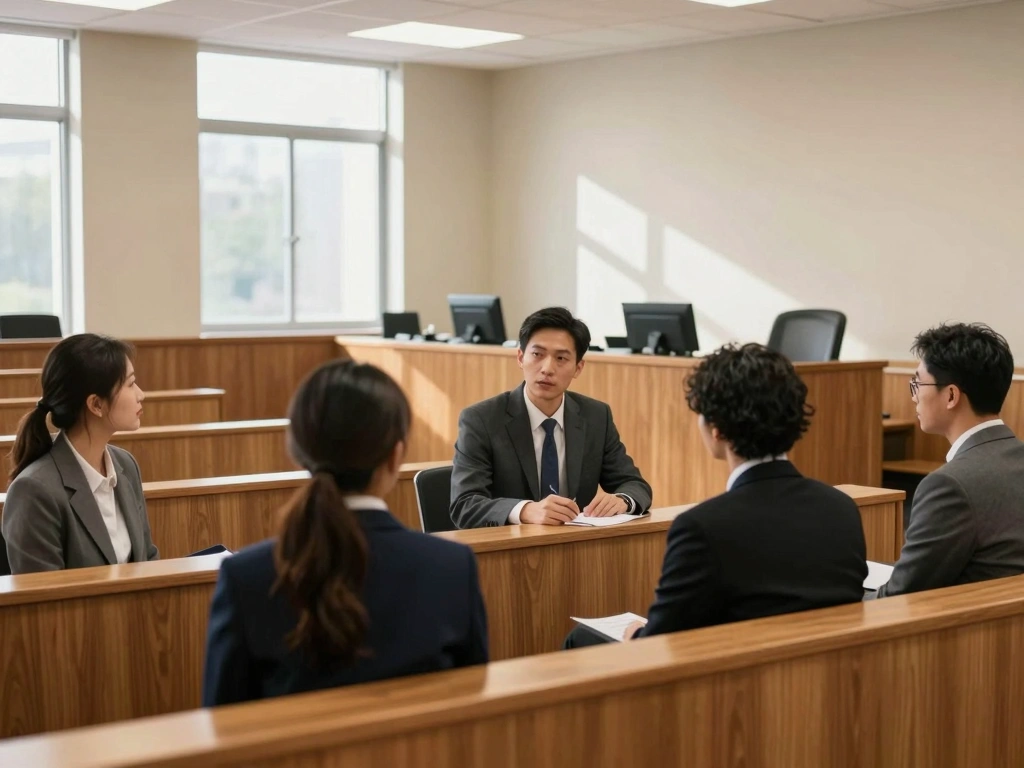
Small claims court is a specialized judicial forum designed to resolve legal disputes involving relatively small amounts of money in an efficient and cost-effective manner. The primary purpose of these courts is to provide individuals and businesses with a streamlined process to address grievances without the need for extensive legal representation. This is particularly valuable when it comes to unpaid invoices, as many businesses face challenges in collecting debts from clients or customers.
By facilitating quicker resolutions, small claims courts help maintain healthy cash flow for businesses, which is vital for their operations. For instance, a freelance graphic designer may find themselves waiting months for payment from a client. Instead of taking extensive legal action, they can file a claim in small claims court to seek expedited recovery of the amount owed.
Eligibility Criteria for Filing a Claim
Before filing a claim in small claims court, it's essential to understand the eligibility criteria. Generally, the following conditions must be met:
- Claimant's Status: Individuals or businesses can file a claim, but they must be the party directly harmed by the unpaid invoice.
- Defendant's Location: The defendant (the party who owes the money) must reside or conduct business within the jurisdiction of the court where the claim is filed.
- Nature of the Claim: The claim must be related to a monetary dispute, such as unpaid invoices for services rendered or goods delivered.
For example, if a small business provided consulting services to a client but has not received payment, they can file a small claims case against that client as long as the client is located within the court's jurisdiction.
Limitations on Claim Amounts
Small claims courts have specific monetary limits on the amount that can be claimed, which vary by state or country. In the United States, for instance, limits can range from $2,500 to $25,000, depending on the jurisdiction. It’s crucial for claimants to confirm the limit in their specific location before proceeding.
For example, if a contractor is owed $10,000 for completed work, they can file a claim in small claims court if the limit for their state is $10,000 or higher. However, if the amount exceeds the court's jurisdictional limits, the claimant would need to pursue the case in a higher court.
Filing a Small Claims Case for Unpaid Invoices
Gathering Necessary Documentation
Successfully filing a small claims case for unpaid invoices requires thorough preparation. Claimants should gather all relevant documentation that supports their claim. This may include:
- Invoices: Copies of the unpaid invoices clearly detailing the services provided or goods sold.
- Contracts: Any signed agreements or contracts that outline the terms of the payment.
- Correspondence: Emails, letters, or messages exchanged with the debtor regarding payment reminders or disputes.
- Payment Records: Evidence of any partial payments received or prior agreements on payment schedules.
For instance, if a web developer is owed $3,000 for a project, they should compile the original contract, the invoice, and any email exchanges where they requested payment.
Filing Procedures and Fees
The filing procedures for small claims court vary by jurisdiction but generally involve the following steps:
- Complete the Claim Form: Obtain and fill out the appropriate claim form from the local small claims court.
- Pay the Filing Fee: Pay the required filing fee, which can range from $30 to $300 depending on the jurisdiction and the claim amount.
- Submit the Claim: File the completed form and payment at the courthouse or through an online portal if available.
It’s advisable to check the court's website for specific forms and fee structures. For example, in California, the filing fee for claims up to $1,500 is typically around $30, while claims over that amount may incur higher fees.
Serving the Defendant with Legal Notice
After filing the claim, the next step is to serve the defendant with legal notice. This involves delivering a copy of the filed claim to the person or business being sued. Proper service is crucial as it ensures the defendant is aware of the lawsuit and has an opportunity to respond. Methods of service can include:
- Personal Service: Handing the documents directly to the defendant.
- Mail Service: Sending the documents via certified mail with a return receipt.
- Service by Publication: Publishing the notice in a local newspaper if the defendant cannot be located.
For example, if a consultant files a claim against a company for unpaid services, they must ensure that the company’s registered agent or the owner receives the legal notice, which could be done through certified mail if they cannot be reached in person.
The Court Hearing Process Explained
What to Expect During the Hearing
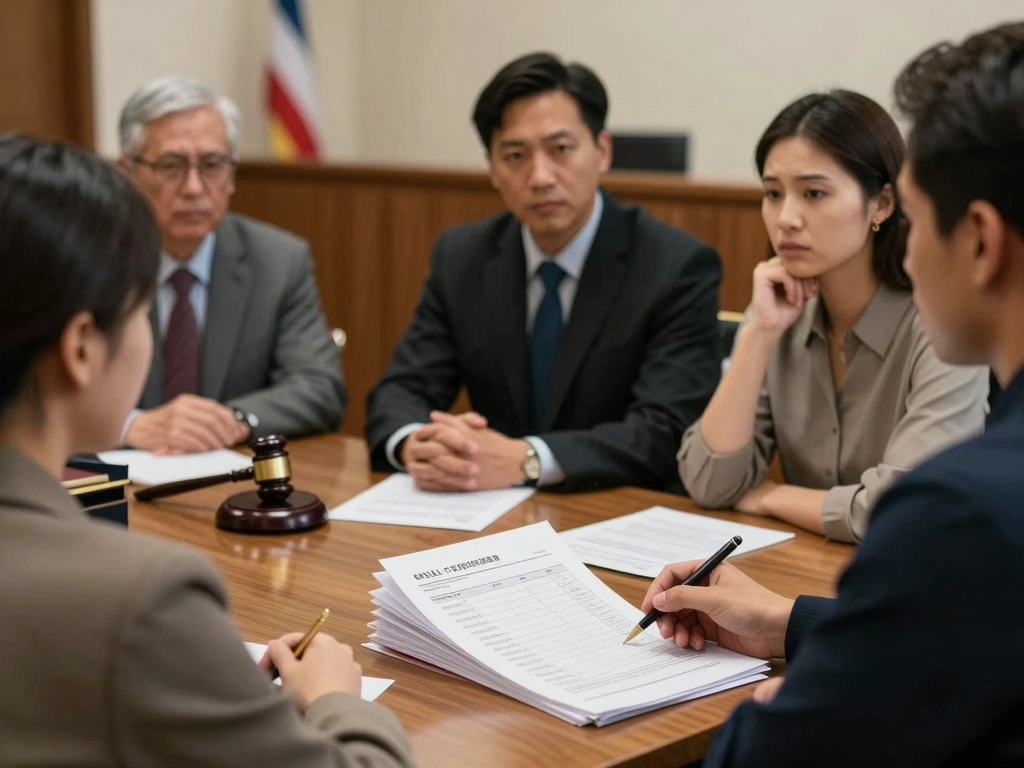
The court hearing is an informal proceeding where both parties present their cases. Here’s what to expect:
- Judicial Atmosphere: Small claims court typically has a less formal environment compared to higher courts.
- Time Limit: Each party usually has a limited amount of time (often around 10-15 minutes) to present their case.
- Judge's Role: The judge will listen to both sides and may ask questions to clarify details.
For instance, if a freelance photographer claims $2,000 for services rendered but not paid for, the judge will listen to both the photographer and the client, allowing them to present their evidence and arguments succinctly.
Presenting Evidence and Testimony
During the hearing, both parties have the opportunity to present evidence and witness testimony. Claimants should be prepared to:
- Present Documentation: Show the collected documentation that supports their claim, such as invoices and contracts.
- Provide Testimony: Clearly articulate their side of the story, explaining the nature of the transaction and the efforts made to collect the debt.
- Cross-Examine: Engage with the defendant’s testimony, asking questions that highlight inconsistencies or weaknesses in their case.
For example, if the defendant claims they never received the services, the claimant can present email confirmations and project deliverables as evidence.
Understanding the Judge's Decision
After both parties have presented their cases, the judge will make a decision based on the evidence and testimonies. The ruling is typically rendered immediately, although in some cases, the judge may take time to consider the details before issuing a written decision. The potential outcomes can include:
- Judgment in Favor of the Claimant: If the judge finds in favor of the claimant, a judgment will be issued for the amount owed.
- Dismissal of the Claim: If the evidence is insufficient, the claim may be dismissed.
- Partial Judgment: In some cases, the judge may rule for a different amount than what was claimed.
For instance, if the claimant sought $5,000 but the judge determines that only $3,000 was justified based on the evidence, a partial judgment for $3,000 may be issued.
Enforcing Small Claims Court Judgments
Methods of Collecting Payment Post-Judgment
Once a judgment is obtained, the next step is to collect the awarded amount. Various methods can be utilized, including:
- Direct Payment Requests: Contacting the debtor to request payment based on the court’s judgment.
- Wage Garnishment: In some jurisdictions, a portion of the debtor's wages can be garnished until the debt is paid.
- Bank Levies: Seizing funds directly from the debtor's bank account, given proper legal procedures are followed.
For example, if a landscaping business wins a judgment of $4,000 against a client, they might choose to garnish the client’s wages to ensure they receive payment over time.
Dealing with Non-Payment of Judgments
Unfortunately, some debtors may still refuse to pay even after a judgment is issued. In such cases, the claimant may need to take further action. Options include:
- Filing for a Writ of Execution: This legal document allows the claimant to enforce the judgment through asset seizure.
- Re-filing for Small Claims: If additional unpaid amounts arise, the claimant can file another claim for those debts.
- Professional Collection Agencies: Hiring a collection agency to pursue the debt on their behalf, although this may involve fees.
For instance, if the landscaping business finds their client is still not paying, they could file for a writ of execution to seize the client’s vehicle to satisfy the judgment.
Legal Options for Further Enforcement
If standard enforcement methods fail, claimants can explore more legal avenues such as:
- Contempt of Court: Filing a motion for contempt if the debtor fails to comply with the court's order.
- Reassessment of Assets: Requesting the court to reassess the debtor's financial status to determine new methods of collection.
- Negotiation with the Debtor: Engaging in negotiations or payment plans that could facilitate recovery without further legal action.
For example, if the landscaping business decides to engage in negotiations, they might propose a payment plan where the client pays in installments over several months.
Advantages and Limitations of Using Small Claims Court
Benefits of Small Claims Court for Businesses
Small claims court offers several advantages for businesses dealing with unpaid invoices, including:
- Cost-Effective: Lower filing fees compared to traditional court proceedings make it accessible for small businesses.
- Time Efficiency: Cases are typically resolved more quickly than in higher courts, allowing businesses to recoup losses sooner.
- No Need for Attorneys: The informal nature allows claimants to represent themselves, saving on legal costs.
For instance, a local bakery that is owed $1,500 for catering services can file a small claims case without incurring hefty legal fees, thus maximizing their recovery potential.
Common Challenges Faced in Small Claims Cases
While there are significant benefits, there are also challenges that claimants may face, such as:
- Limited Amounts: Claims exceeding jurisdictional limits must be filed in higher courts, which can complicate the process.
- Difficulty in Enforcement: Even with a favorable ruling, collecting the awarded amount can be challenging if the debtor lacks assets or refuses to pay.
- Time Investment: Preparing documentation and attending court can still require a substantial time commitment.
For example, if a contractor wins a judgment but the client is uncooperative, the contractor may find it challenging to enforce the judgment, leading to further frustrations.
When to Consider Alternative Dispute Resolution
In some cases, it may be more beneficial for businesses to explore alternative dispute resolution (ADR) methods before resorting to small claims court. This can include:
- Mediation: A neutral third party helps facilitate discussions between the claimant and debtor to reach a mutually agreeable solution.
- Arbitration: A binding decision made by an arbitrator can often be faster and less formal than court proceedings.
- Negotiation: Direct negotiations between the parties can sometimes resolve disputes without legal intervention.
For instance, a graphic designer may opt for mediation with a client before filing a claim, which could lead to a quicker resolution without the need for court involvement.